How to read the EN 388 marking on a work glove, what each position means, and exactly what Brifix does and does not claim for each range.
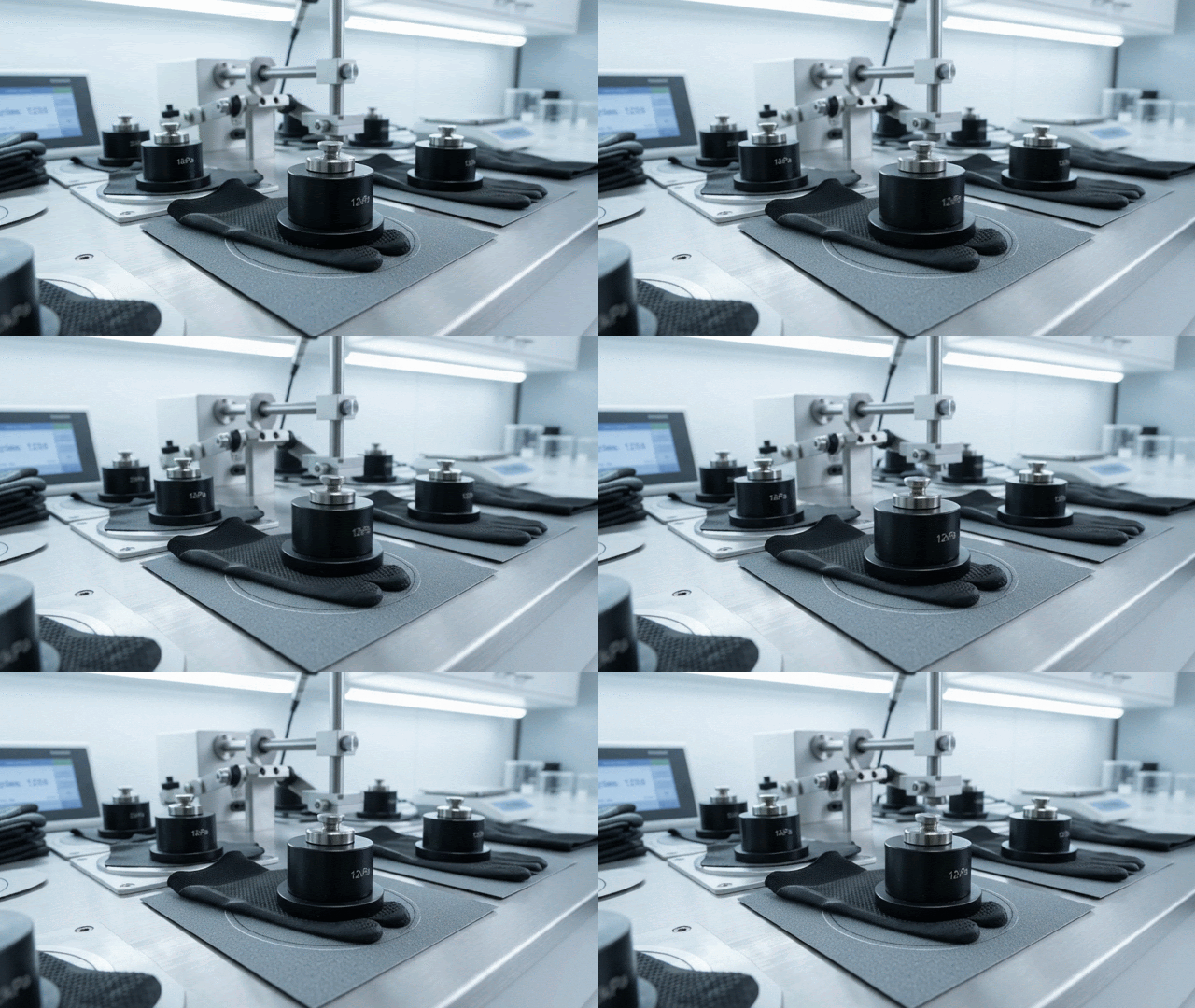

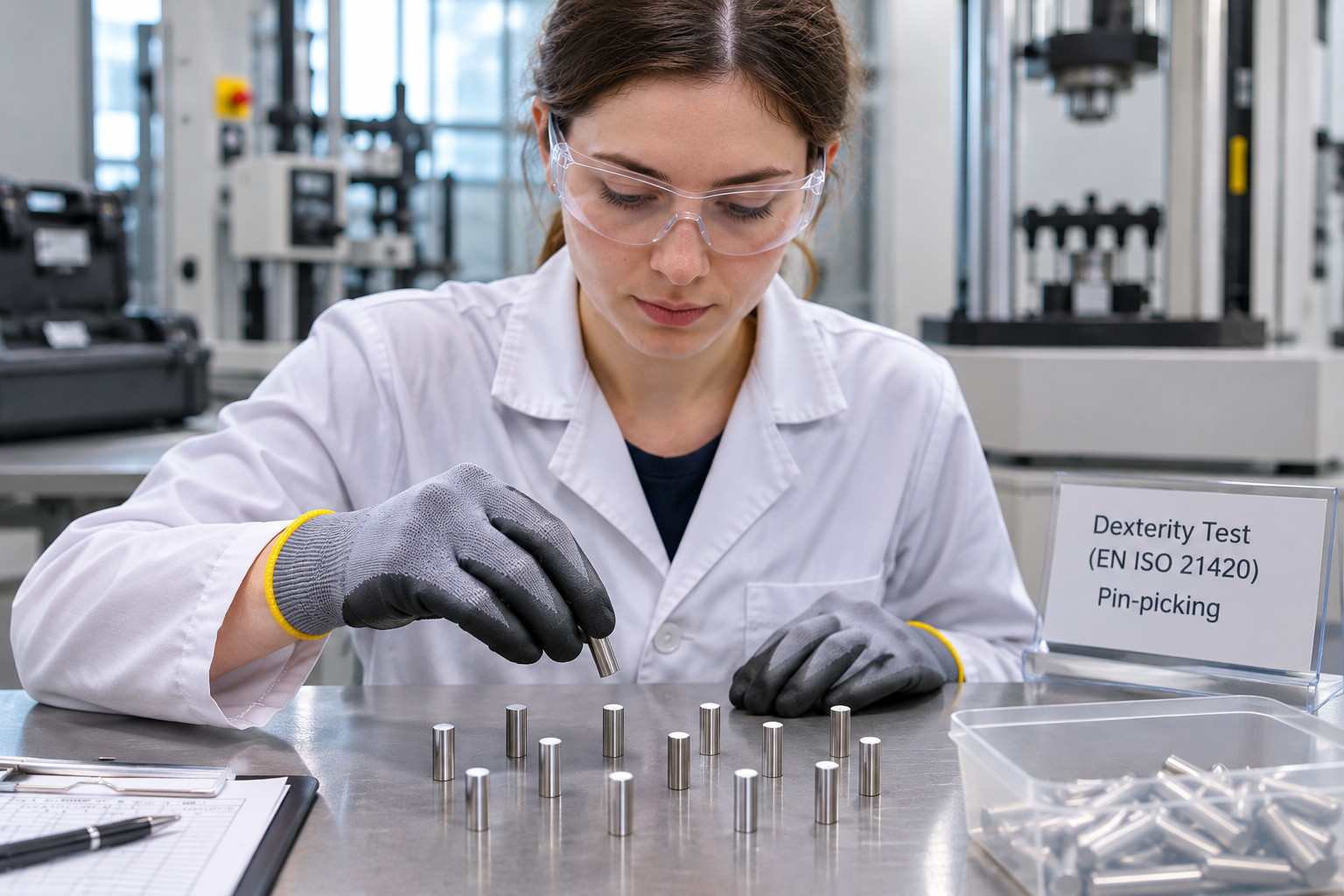

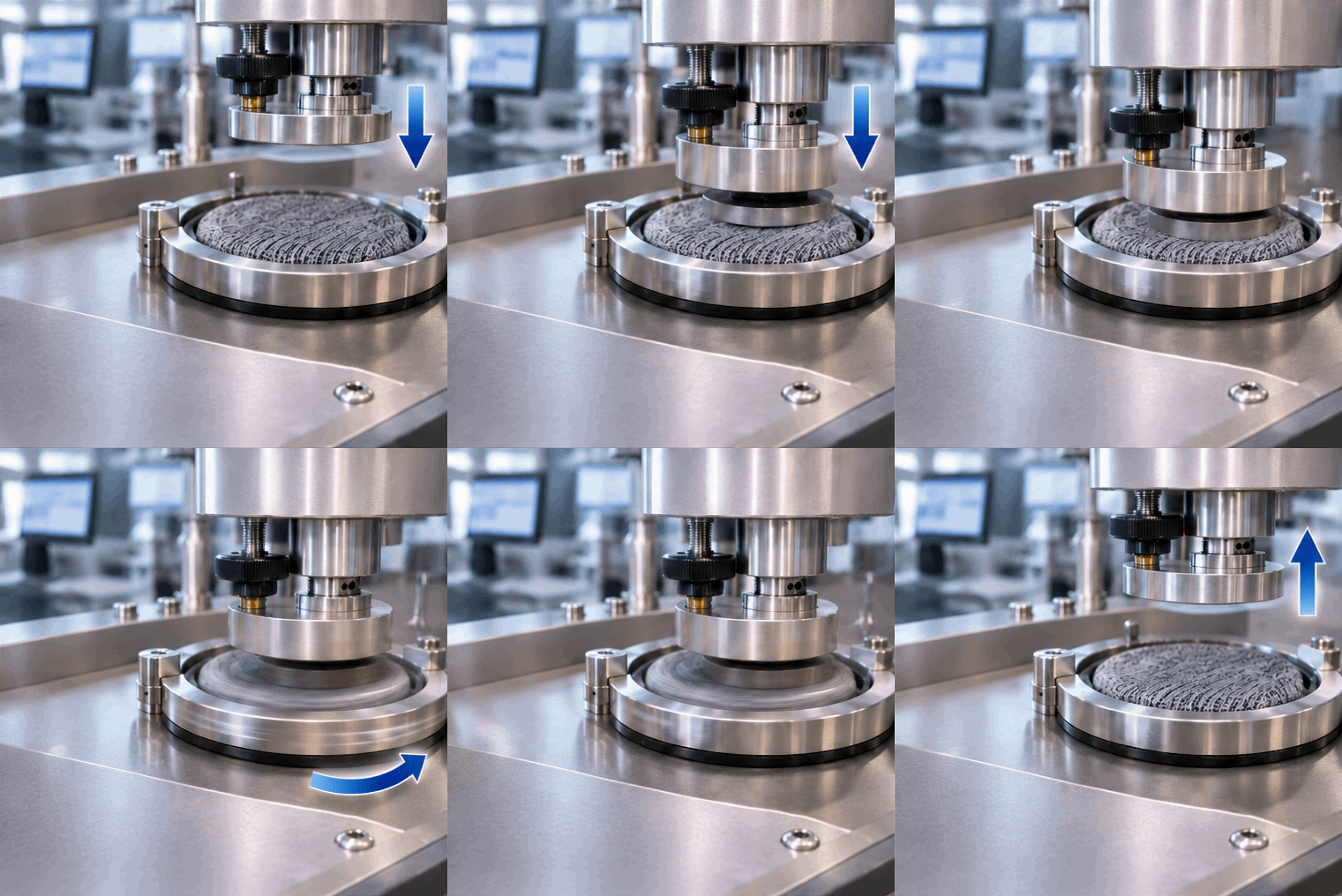
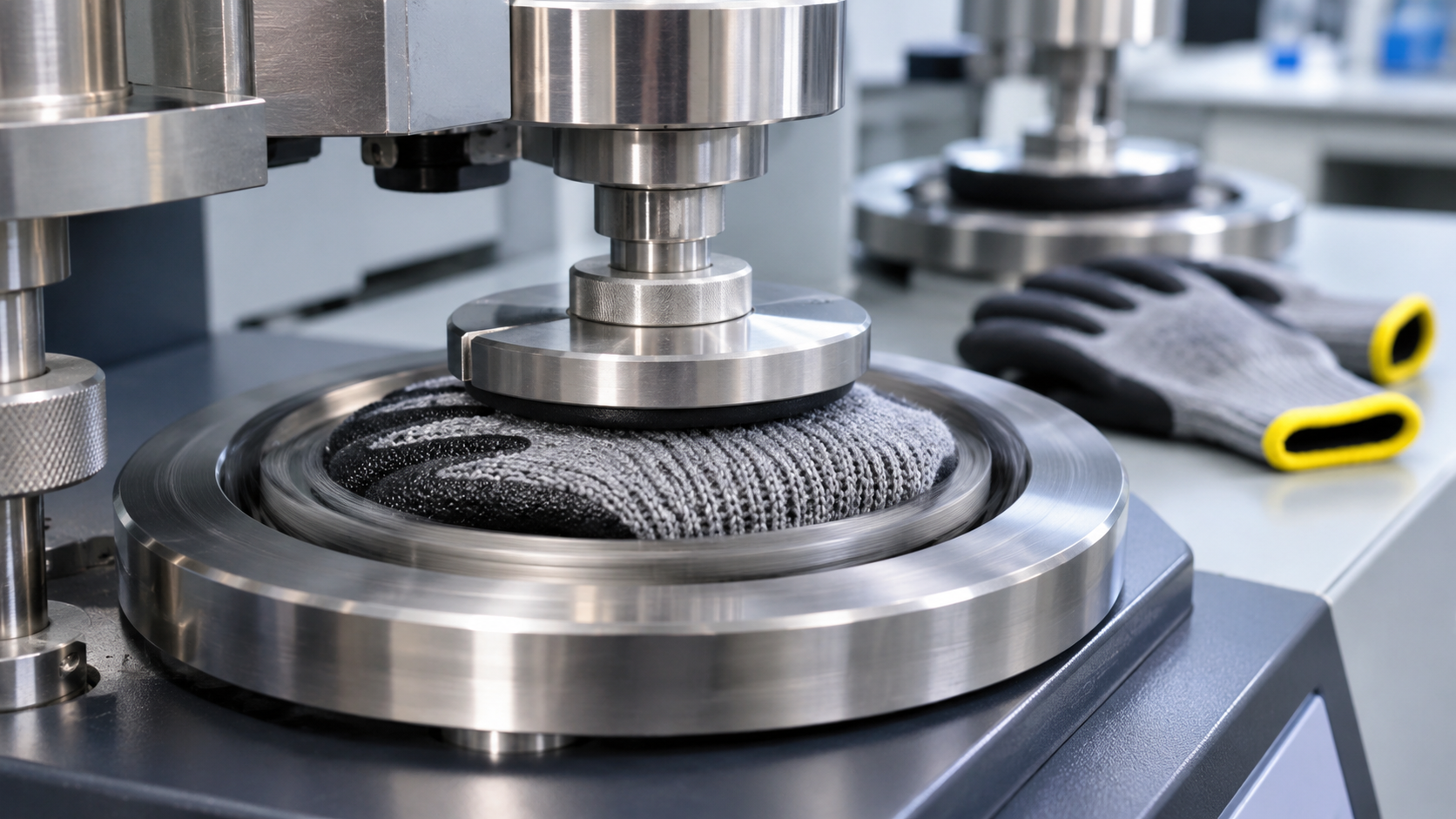
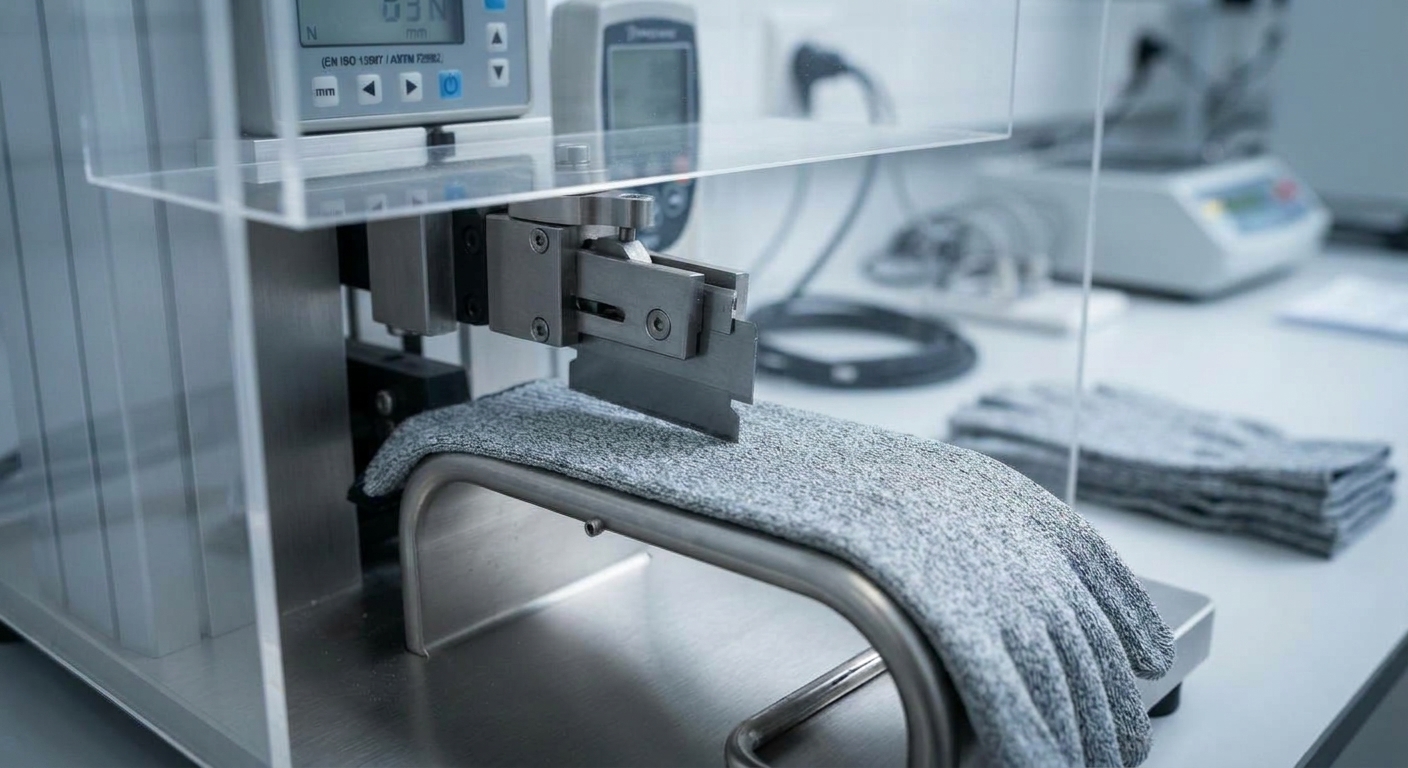
Gloves that protect against mechanical risk are tested to EN 388. The result is shown as a shield pictogram followed by a code of six positions, for example:
Each position is fixed in meaning and read left to right. A position may show a number, a letter, an X (that test was not applicable or not valid), or be left empty (not tested, or not passed). Empty is not the same as zero — it means no claim is being made.
| Pos. | Property | Test | Scale |
|---|---|---|---|
| 1 | Abrasion resistance | Martindale, 180-grit abrasive | 0–4 |
| 2 | Blade cut resistance (Coup) | Rotating circular blade | 0–5 or X |
| 3 | Tear resistance | Force to propagate a tear | 0–4 |
| 4 | Puncture resistance | Force to puncture with a standard stylus | 0–4 |
| 5 | Cut resistance (TDM) | EN ISO 13997 / TDM-100 straight blade | A–F or X |
| 6 | Impact protection | EN 13594:2015 clause 6.9 | P or empty |
Position 5 is the cut figure that matters for sharp-edged materials. Position 2 can return “X” when the blade blunts during testing — common with high-performance fibres such as HPPE — in which case position 5 is used instead.
| Level | 1 | 2 | 3 | 4 |
|---|---|---|---|---|
| Cycles | ≥ 100 | ≥ 500 | ≥ 2,000 | ≥ 8,000 |
| Level | 1 | 2 | 3 | 4 | 5 | X |
|---|---|---|---|---|---|---|
| Index | ≥ 1.2 | ≥ 2.5 | ≥ 5.0 | ≥ 10.0 | ≥ 20.0 | invalid → use pos. 5 |
| Level | 1 | 2 | 3 | 4 |
|---|---|---|---|---|
| Force | ≥ 10 N | ≥ 25 N | ≥ 50 N | ≥ 75 N |
Published summaries of the level 4 tear threshold differ (70 N and 75 N both appear in trade literature). Where a specification depends on that exact figure, the standard text EN 388:2016+A1:2018 Table 3 governs and the applicable test report should be requested.
| Level | 1 | 2 | 3 | 4 |
|---|---|---|---|---|
| Force | ≥ 20 N | ≥ 60 N | ≥ 100 N | ≥ 150 N |
| Level | A | B | C | D | E | F |
|---|---|---|---|---|---|---|
| Force | ≥ 2 N | ≥ 5 N | ≥ 10 N | ≥ 15 N | ≥ 22 N | ≥ 30 N |
This is the scale most buyers mean when they say “cut level”. Each step roughly doubles the force needed to cut through, so the difference between C and F is substantial, not cosmetic.
Tested per EN 13594:2015 clause 6.9 using a 2.5 kg flat impactor at 5 J. To be marked P, the mean transmitted force must be ≤ 7.0 kN with no single result above 9.0 kN, and the glove must not crack to create sharp edges. If the position is empty, no impact protection is claimed — a product name containing the word “impact” is not a test result.
| Standard | Covers |
|---|---|
| EN 388:2016+A1:2018 | Protective gloves against mechanical risks (abrasion, cut, tear, puncture, impact) |
| EN ISO 21420:2020 | General requirements for protective gloves; superseded EN 420:2003+A1:2009 |
| EN ISO 13997:1999 | The TDM-100 straight-blade cut test method used for position 5 |
| EN 13594:2015 | Source of the impact test method referenced by position 6 |
| ANSI/ISEA 105 | A separate North American cut scale (A1–A9). It is not interchangeable with EN levels |
We publish only what we can support. Where a range carries a supplier-supplied EN 388 result it is stated on the product page; where no certified result is held, no level is claimed and the range is described by its construction instead.
| Range | Construction | Mechanical protection stated |
|---|---|---|
| Impact Cut-Resistant | 13-gauge HPPE liner, full TPE injection-moulded palm, moulded TPE back of hand | EN 388: 4X42C — EN ISO 13997 Cut Level C; abrasion 4, tear 4, puncture 2 (per supplier). Position 6 empty: impact resistance not established. |
| Silicone Palm-Coated | Cut-resistant knitted liner, silicone-coated palm | Cut-resistant construction — certified level not published. No level claimed. |
| Cut-Resistant | Cut-resistant knit liner, sandy PU palm | Cut-resistant construction — certified level not published. No level claimed. |
| HPPE Cut-Resistant | HPPE blend knit liner, coated palm | Cut-resistant construction — certified level not published. No level claimed. |
| AeriTouch Touchscreen | Engineered breathable knit, textured grip coating | General handling — no cut, puncture or impact rating claimed. |
| Latex Coated | Knitted textile liner, textured latex coating | General handling — no mechanical rating claimed. |
| Orange Grip | Textured latex coating, high-visibility orange | General handling — no mechanical rating claimed. |
| Blue Nitrile-Coated | White seamless knit liner, nitrile palm | General handling — no mechanical rating claimed. |
| Black Nitrile-Coated | 15-gauge polyester knit liner, nitrile palm | General handling — no mechanical rating claimed. |
| Ladies' Gardening | Nylon floral knit back, PU-coated palm | Gardening use — no mechanical rating claimed. |
Gloves supplied as personal protective equipment in Great Britain carry UKCA marking (or CE marking where applicable) supported by a Declaration of Conformity. Which conformity route applies depends on the risk category of the glove.
Test reports and conformity documents are available on request for the certified ranges. Tell us which range you are assessing and we will send the applicable paperwork. If you need a specific EN 388 result for a range that does not currently carry one, ask — we will confirm in writing whether it can be supplied rather than guess.